Well siting in hard rock
Understanding well siting in hard rock
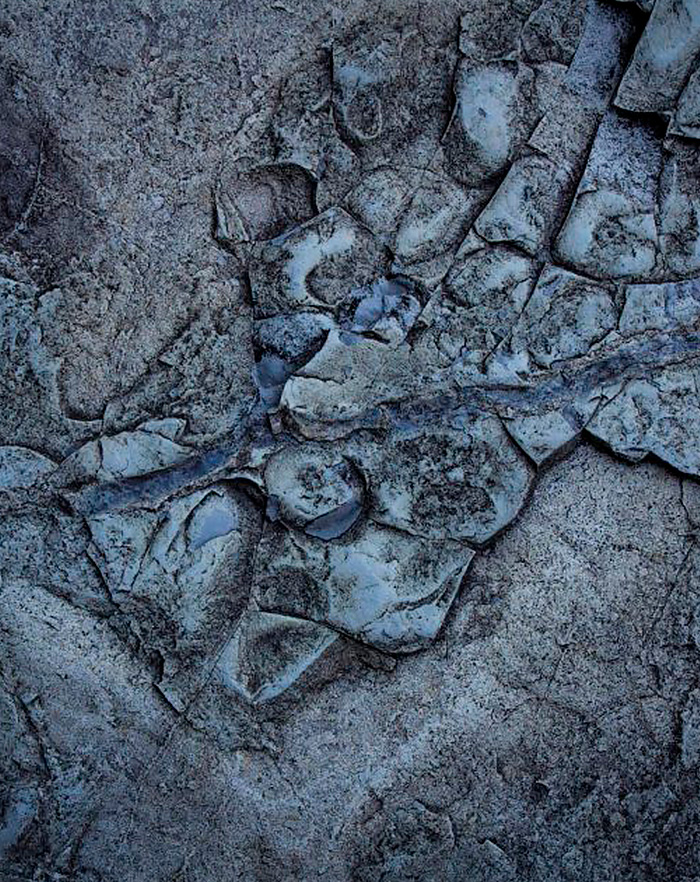
- Limited porosity and permeability: Hard rock has no natural porosity; water is stored in fractures and weathered zones, making its movement and storage more complex than in porous materials like sand or gravel.
- Fractured systems: Groundwater is primarily stored in cracks, fissures, and fractures. Understanding these fractures’ size, connectivity, and orientation is essential for identifying productive zones.
- Variability in groundwater availability: Groundwater distribution in hard rock terrains is unpredictable and influenced by local geological structures. Precise site selection is critical to avoid failed wells and ensure a reliable water supply.
- Provide high-resolution imaging to locate fracture networks, water-bearing zones, and their connectivity.
- Identify geological features that may influence groundwater availability.
- Reduce the guesswork in well siting, improving success rates and optimizing resource utilization.
TEM's role in well siting in hard rock
Discover how our instruments enhance and optimize well placement in hard rock formations
Shallow Subsurface Characterization
tTEM is highly effective in mapping the shallow geological structure of hard rock areas, helping to identify fractures, aquifers, and potential drilling sites. This technique provides high-resolution data, allowing for the detection of permeable zones or fractures where groundwater may be found, which is crucial in challenging terrains.
Rapid, Large Area Surveys
tTEM is designed for quick and efficient surveys over large areas, making it an excellent tool for surveying expansive hard rock terrains. It helps identify multiple potential well locations in complex geological areas, narrowing down the best spots for further investigation.
Detection of Water Bearing Zones
By measuring resistivity variations, tTEM can detect fractures in hard rock that could hold groundwater. This is particularly useful in hard rock formations, where finding water-bearing zones is more difficult. tTEM can help discover areas where drilling would be most effective.
Cost Effective for Preliminary Surveys
sUsing tTEM for initial surveys reduces the cost and time associated with drilling in unsuitable locations. By identifying the most promising drilling sites early on, tTEM helps avoid unnecessary drilling and optimizes resource allocation.
Deep Subsurface Profiling
sTEM excels in providing detailed information about the deeper sections of hard rock environments, allowing for the identification of deep fractures or water-bearing formations. This is crucial when assessing complex subsurface geology to site wells in hard rock terrains.
High Resolution Maping of Geological Structures
sTEM offers precise resistivity profiles, helping to map fractured zones, faults, and other geological features that might act as conduits for groundwater. With this data, sTEM helps determine the optimal depth and location for well placement in fractured hard rock.